Planting, Sowing, Growing, Re-wilding, Seeds, Growth, Pruning, Fruit,
Doesnt it feel that many of the churches strategies have a farming metaphor complex about them at times, and yet, aside from the farmer, and the weather, all of them require something that is rarely talked about.
So let me ask you a question.
What do you know about soil?
Its essential for pretty, id say all of the growing of anything. So what do you know about it?
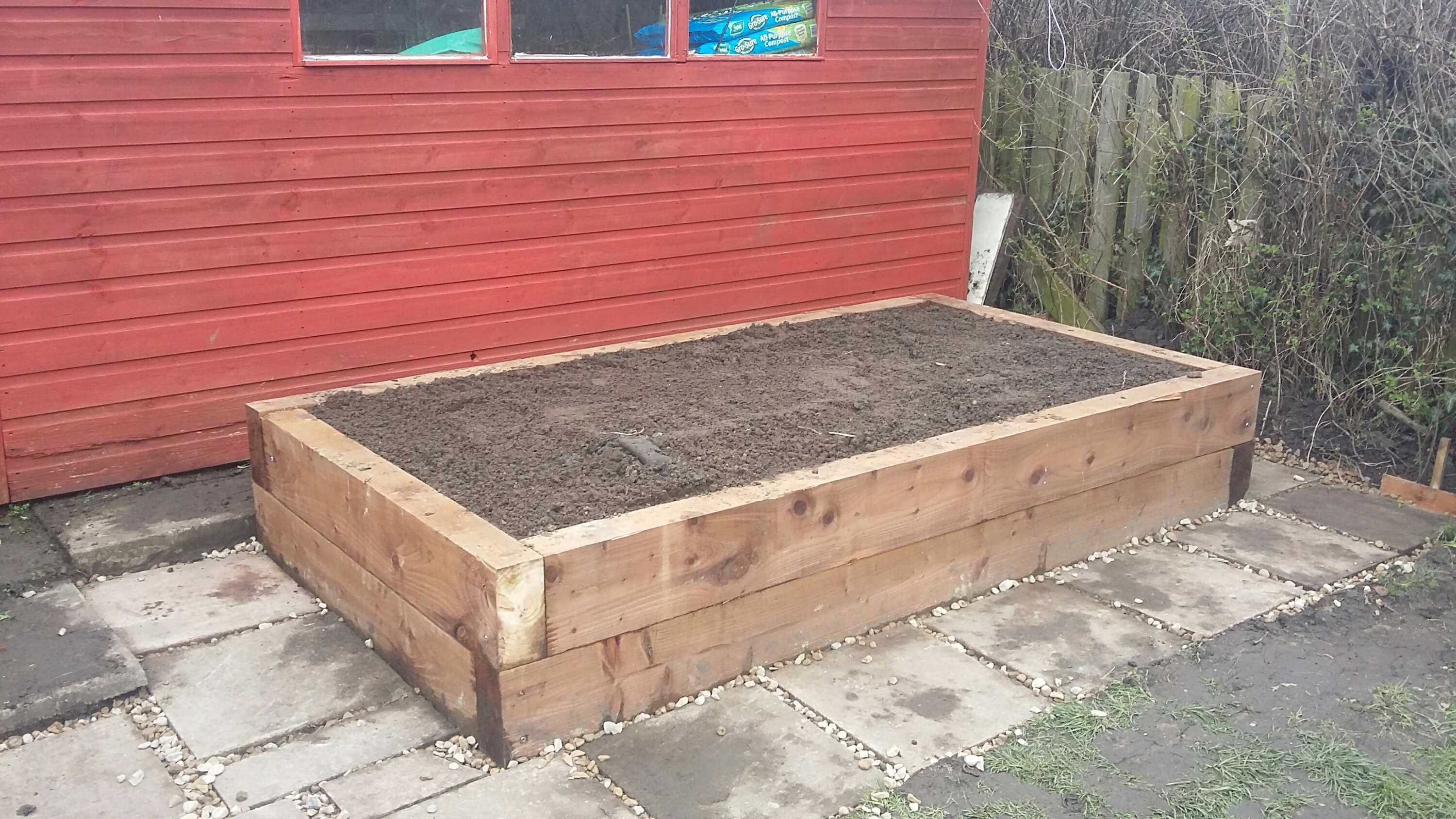
I dont know much. The tiny bit I knew I gleaned from you tube videos as I was building and creating a home allotment bed a few years ago
You mean to say that I shouldn’t be digging over my allotment every year?
Said a friend to me recently when he shared the back breaking work of maintaining a small raised bed.

So what do you know about soil?
The good soil is the one in which the seed when planted delves deep , its roots form and fruit is produced, good soil is also a place in which both wheat and weeds inhabit. It is required for growth, regardless of what is grown. (Matthew 15)
Over the past month I have been reading James Rebanks book ‘The English Pastoral’ which is all about farming in Cumbria. 3-4 generations of farming in Cumbria, and the 1000’s of years prior too. They stand on the stiles of stone walls.
You would think that a farmer, and a history of farming in a land, would know about soil, but, actually what surprised me was that they didnt.
Well, actually.. thats not quite true. They knew intuitively about soil. They just didnt know it as a technology.
Soil was the lifeblood of the farm. It was a part of the farm. A character.
It had been tended to, on rotation for centuries. Never allowed to be exhausted by one crop, or concentrated by the manure of animals for too long, or left barren and empty for too long either. It was given rest, recuperation, growth periods, nutrients in, space to breathe, and had crops rotated on it so that it didnt get drained.
And it was hard work. The Farmer didnt know about the soil, but knew the importance and value of the soil.
Farmers learned the hard way through endless experiments, trial and error, discovering that if we over exploited our soil, ecosystems would collapse, and our ability to live and prosper with it. Fields could not produce the same crops over and over again without becoming exhausted. This was because each crop took nutrients from the soil, emptying its bank of fertility eventually, and then crop diseases would build up in the tired ground and they become devastating. Nature would punish the farmer for his arrogance.
Whole civilisations disappeared because their farming methods degraded their soils, the solution was rotational farming…
James Rebanks, 2020, p 102
However, as James says..
It seemed kind of amazing to that I could have grown up on a farm and had eleven years of schooling and never once had anyone tell me why these things were done (talking of rotational farming)
What he noticed from his grandfather was that there was an ongoing cycle, and that barely a thing was wasted from the farm. So much was returned back to the soil eventually.
Intuitively a farmer had known about the soil. Intuitively, after years and decades of trial and error.
But as James explains, in detail. The need for cheaper food, the pull of the market, and the expanded use of chemicals, both to fertilise and to reduce pests, changed farming, and changed the soil.
Farms became machines in themselves. Just a means to an end.
Farmers were enslaved by economists.
It became a new normal but it wasnt normal at all.
The way animals were now housed meant that they got more disease which meant more drugs and then solutions to alleviate the pests that were caused by a situation that was deemed progress, and as a result,
Farmers trying to persue intensive methods of animal production were prone to suffer catastrophic losses
Rebanks 2020, p130
Traditional pastoral systems tended to mimic what worked in the wild; grazing cattle or sheep were healthiest when they were herded around a range of habitats or by a shepherd or a cowherd, or left to their own devices across landscapes. new intensive farming placed animals in surroundings that made them distressed, diseased, dirty and stressed. The more of progress we saw, the less we liked it.
Revelation arrived about the damage of progress, was beginning. By sight the once varied landscape was now a monotonous colour of artificially fertilised evergreen crop, the same every year. Old buildings torn down and replaced by metallic monochrome structures, Tractors got bigger and bigger, fences knocked down and hedgerows destroyed to make their access and productivity increase. Rather than admire these, the traditional farmer saw these as ghastly.
But some of those bigger farms went bankrupt. There was no pleasure in seeing friends lose farms.
Revelation also happened in the soil.
As James Rebooks dad had began to discover, the truth was discovered in the soil.
There were no birds chasing the tractor in a factory farm. The soil was dead. No worms for the birds, no food for the nesting birds to find. The high volume grass for the cows created a toxic slurry, that when excreted didnt furnish the land with nutrients it had before. The Cycles of life had been broken. New farming had taken two mutually beneficial things, grazing animals and fertilising fields and separated them to create two massive industrial scale problems in two places. Farms with muck had too much, and farms with crop had not enough, and then had to rely on chemicals. Livestock bred on chemical feed was producing toxins, everywhere life was being killed off… for the sake of progress.
Outcomes – cheap food
Technology – to make life easier, bigger and more effective
Nothing was valued, and machines and technology was worshipped. (p186)
We didnt think it was our job to to know, or care, we were too busy doing other things, if large corporations gave us things we wanted, we let them. But it was an illusion, an industrial arrogance, a future that didnt work, a dystopia. What we do know in our hearts – even the most optimistic of us- is that finding our way back will take time and faith, and a radical structural changes in our relationship with food and farming
Rabanks p187
Had a devastating effect, though very gradual at the time on the soil. It was a change that took only 40 years to do, to affect the 1000’s of years before it.
One effect of the many changes in that soil and the landscape was that it was so uniformed and straightened, that when water hit it in tumultuous amount, Carlisle and much of the Lake District was flooded.
Farmers realised that they had been listening to economists for too long.
In the last chapter of the book James describes the future, not nostalgia or progress but the future.
One in which the reversal of uncritiqued progress had started to take place.
One in which the soil is treated as it should be. One in which the land is seen, as the ecosystem of vibrancy and beauty, and not just a technology, a means to an end.
Our land is like a poem, in a patchwork, landscape of other poems, written by hundreds of people, both these here and now and many hundreds that came before us, with each generation adding new layers of meaning and experience. And the poem, if you can read it, tells a complex truth. It has both moments of great beauty and of heartbreak. It tells of human triumph and failing, of what is good in people and what is flawed and what we need, and how in greed we can destroy precious things. It tells of what stays the same and what changes; and of honest hard working folk, clinging on over countless generations, to avoid being swept away by the giant waves of a storm as the world changes. It is also the story of this who lost their grip and were swept away from the land, but who still care, and are now trying to find their way home
Rebanks, p 197
So I wonder, and ask, What might I learn about soil, from one mans experience of three generations of farming, and maybe also, what do I notice about the changes in one industry that resonate with me, as I work in a faith based context. How are we as youth workers, ministers, churches creating the possibility of good, long lasting soil, in which beauty is returning and people can make their way back home? What resistance might there be to ‘soil destruction’ for the sake of outcomes?
Has the church listened to economists too long already and their view of the world seen as default?
So- what do you know about soil? I know a little bit more, just a bit, and ive been awoken to the challenges and experiences of how devaluing the soil has been disastrous for it. Soil itself is so complex that we dont technically know all about it even now, a weave of nutrients, bacteria, organisms that provide an environment for growth.
What is stopped being noticed and a sign that the soil is starting to die, what might be deliberately destroying it?
Maybe the soil isn’t ‘the church’ its also ‘you and me’ (and we are the church) – so what do I do? How do I become, or be healthy soil? What is rotational balance, and what doing I need to do to be the kind of person in which growth occurs without destroying my nature?
I have come that you may have life, life in all its fullness….
After 40 years of absence, James’ farm reverberates with the sounds of the curlews, the colour of the wild flowers, the noise of sheep and cattle in small numbers, the trickle of the winding becks and irregular ponds that scatter the farm. Life has returned. It will not make a profit, but it will live, and be a legacy of life and beauty for his children.
James Rebanks, The English Pastoral. I highly recommend it.


Leave a Reply